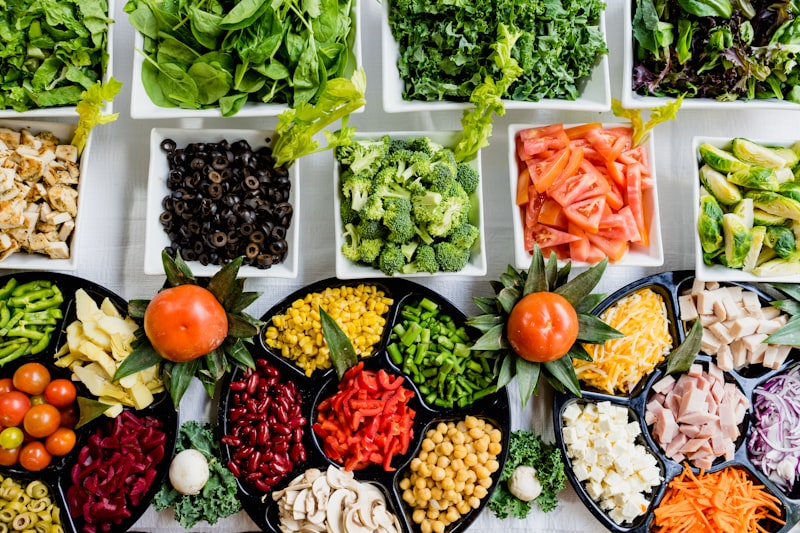
It's mid-May. Farmers' markets are overflowing with asparagus, radishes, peas, and the first tender salad greens of the year. Strawberries are beginning to blush. Something in the air shifts — and your body seems to know it.
You might feel a subtle pull toward lighter, fresher foods. Maybe you're craving salads more than stews, raw vegetables more than roasted roots. This isn't just preference — it's biology.
Your gut microbiome is a seasonal organism.
Emerging research reveals that your gut bacteria fluctuate with the seasons, shifting in composition to match the foods nature provides at different times of year. And when you align your diet with these natural rhythms, your microbiome responds with greater diversity, resilience, and efficiency.
Seasonal eating isn't a nostalgic tradition reserved for farm-to-table restaurants. It is one of the most powerful, science-backed strategies for optimizing your gut health — and it costs nothing extra to practice.
Your Microbiome Has a Seasonal Clock
Perhaps the most compelling evidence for seasonal eating comes from a landmark 2017 study published in Science. Researchers tracked the gut microbiomes of the Hadza, a hunter-gatherer tribe in Tanzania whose diet shifts dramatically between wet and dry seasons.
The results were striking: the Hadza's gut bacteria changed so profoundly between seasons that the wet-season microbiome looked like a completely different ecosystem from the dry-season one. During the dry season, when meat and tubers dominated, their microbiomes showed higher levels of bacteria specialized for digesting animal fats and proteins. In the wet season, when berries and honey were abundant, fiber-fermenting bacteria bloomed.
While the Hadza's lifestyle is far removed from our own, the principle applies universally: your gut bacteria are adapted to expect seasonal variation. When you eat the same foods year-round — as most Western diets do — you starve the seasonal bacterial strains that would naturally cycle through your digestive system.
Why Modern Eating Patterns Confuse Your Gut
Walk into any supermarket in January, and you'll find strawberries, tomatoes, and asparagus. In July, the same produce section offers the same selections — shipped in from wherever they're in season or grown in climate-controlled greenhouses.
Year-round availability of all foods is a modern luxury. And it comes with an invisible cost: microbiome monotony.
- Same fibers, same bacteria: Eating the same fruits and vegetables every season feeds the same bacterial populations, reducing overall diversity.
- Reduced phytonutrient variety: Each seasonal food brings unique polyphenols, flavonoids, and antioxidants that specific gut bacteria thrive on. Winter squashes, for example, contain different protective compounds than summer berries. Your microbiome needs both — not either-or.
- Disrupted circadian cues: Heavy, dense foods in summer and light, watery foods in winter are out of sync with what your digestive enzymes and metabolism expect for each season.
"To every thing there is a season, and a time to every purpose under the heaven. Your digestive system is not exempt from this rhythm."
Your body evolved over hundreds of thousands of years eating what was available, when it was available. The supermarket aisle — with its perfect, identical produce available 365 days a year — has only existed for a blink of evolutionary time. Your genes, and your gut bacteria, still remember the old rhythm.
Spring and Early Summer: The Season of Renewal
As we find ourselves in mid-May, spring is giving way to early summer. This is a transitional period — and your gut is designed to transition with it.
What's in Season Now (Late Spring / Early Summer)
- Asparagus — rich in inulin, a prebiotic fiber that feeds Bifidobacteria. Also contains glutathione, a master antioxidant that supports liver detoxification.
- Radishes — contain sulfur compounds that stimulate digestive enzyme production and bile flow, supporting fat digestion.
- Peas and fava beans — provide resistant starch and soluble fiber that feed butyrate-producing bacteria in the colon.
- Spring greens (arugula, watercress, spinach) — bitter compounds stimulate stomach acid, bile production, and peristalsis — natural digestive motility.
- Strawberries and cherries — early fruits rich in polyphenols that serve as food for beneficial gut bacteria and reduce intestinal inflammation.
Why Spring Foods Support Gut Healing
After a winter of heavier, denser foods — cooked roots, stews, preserved meats — the body is primed for a reset. Spring's tender greens and early vegetables are naturally lighter, higher in water content, and rich in detoxifying compounds. They stimulate the digestive system gently after months of more intensive work.
Bitter spring greens, in particular, play a crucial role. Bitterness triggers the cephalic phase of digestion — the anticipatory release of stomach acid, bile, and pancreatic enzymes before food even reaches your stomach. This "pre-digestive" priming is remarkably effective at reducing bloating and improving nutrient absorption.
🌿 The Spring Gut Reset: Try starting meals with a handful of fresh arugula or dandelion greens dressed with lemon juice and olive oil. The bitter compounds wake up your digestive system, preparing it to process everything that follows more efficiently.
Summer: Maximum Diversity
As summer arrives, nature offers the widest variety of fresh produce of any season. This is the time of maximum fiber diversity — and your microbiome thrives on it.
- Berries of all kinds — loaded with anthocyanins and ellagitannins that gut bacteria convert into anti-inflammatory urolithins.
- Tomatoes, peppers, eggplant — nightshades rich in diverse polyphenols and carotenoids.
- Summer squashes — gentle, high-water-content fibers that hydrate the colon and support easy elimination.
- Herbs — basil, mint, cilantro, parsley — concentrated sources of volatile oils with antimicrobial and anti-inflammatory properties that shape the microbiome.
Summer is also the ideal season for fermented foods. Warmer temperatures accelerate lacto-fermentation, making it easier to prepare homemade sauerkraut, kimchi, fermented pickles, and beet kvass. These live-culture foods introduce new bacterial strains just when summer's produce diversity can support them best.
For a deeper exploration of how fermented foods reshape your microbiome, see our article on fermented foods and gut health.
Autumn: The Season of Storage
As temperatures cool, nature shifts from tender greens to dense, storable foods. This isn't coincidence — your microbiome undergoes its own seasonal shift toward bacteria that specialize in complex carbohydrates and resistant starches.
- Winter squashes (butternut, acorn, pumpkin) — rich in beta-carotene and pectin, a gel-forming fiber that supports gentle elimination and feeds beneficial bacteria.
- Apples and pears — pectin-rich fruits that support the growth of butyrate-producing Faecalibacterium prausnitzii, a key indicator of gut health.
- Root vegetables (carrots, parsnips, sweet potatoes) — provide resistant starch and complex carbohydrates that ferment slowly in the colon, producing steady energy for gut cells.
- Cruciferous vegetables (broccoli, cauliflower, Brussels sprouts, cabbage) — rich in sulforaphane and indole-3-carbinol, compounds that support the gut lining and liver detoxification pathways.
Autumn is also harvest season for many grains, beans, and seeds — the dense, protein-rich foods that your body naturally craves as it prepares for winter. This is the season of building: strengthening the gut lining, diversifying the microbiome, and storing nutrients.
Winter: Healing and Consolidation
In winter, nature provides fewer fresh options — and historically, humans relied on stored foods, fermented vegetables, and animal-based proteins. Your gut microbiome reflected this: less diversity, but deeper specialization.
- Fermented vegetables (sauerkraut, kimchi, fermented pickles) — vital sources of live probiotics when fresh produce is scarce.
- Alliums (onions, garlic, leeks) — long-storing prebiotic powerhouses that sustain beneficial bacteria through leaner months.
- Bone broths and slow-cooked stews — collagen and gelatin support the gut lining, while slow cooking makes vegetables more digestible, reducing the digestive burden on your system.
- Dark leafy greens (kale, collards, chard) — cold-hardy greens that store well and provide magnesium, which supports muscle relaxation in the digestive tract.
Winter is a time of consolidation. Your microbiome may be less diverse, but the bacteria that do thrive are efficient specialists. This is not a problem to solve — it's a natural cycle to honor.
Practical Tips for Eating Seasonally
You don't need to overhaul your entire diet overnight. Start with these small, sustainable shifts:
1. Shop at farmers' markets
Farmers' markets are inherently seasonal — farmers only sell what's ripe. Making one weekly trip to a market naturally exposes you to the freshest seasonal produce in your region.
2. Join a CSA (Community Supported Agriculture)
CSA boxes deliver a share of the season's harvest each week. You get what's growing — not what you ordered. This forces variety and introduces vegetables you might never pick yourself.
3. Learn what's in season in your region
A quick search for "[your state] seasonal produce calendar" will show you what's growing when. Save or print it, and reference it when planning meals.
4. Preserve seasonal bounty
Freeze summer berries, ferment autumn cabbage, dry winter herbs, and pickle spring radishes. These preservation methods not only extend seasonal foods into other months — they also introduce new probiotics and enzyme profiles into your diet.
5. Listen to your cravings
If you're craving watermelon in July, that's your body's wisdom talking — it's hydrating, cooling, and rich in lycopene. If you're craving roasted squash in November, that's equally wise — you need warming, grounding foods. The craving itself is information.
"Your body speaks the language of seasons. Cravings are not weakness — they are signals. Learn to read them, and you'll never need a diet book again."
What Science Says About Seasonal Eating and Inflammation
Emerging research suggests that seasonal eating may reduce systemic inflammation — a common driver of chronic disease and digestive discomfort.
A 2020 study published in Nutrients found that participants who ate a seasonal diet — defined as consuming primarily locally-grown produce in its natural growing season — had lower levels of C-reactive protein (CRP), a marker of inflammation, compared to those eating a non-seasonal diet. The researchers speculated that the higher phytonutrient content of freshly harvested, in-season produce played a key role.
- Freshness matters: Produce loses nutritional value the moment it's harvested. A strawberry picked ripe and eaten the same day has dramatically higher vitamin C and polyphenol content than one shipped across continents and stored for weeks.
- Sunlight shapes nutrients: Plants grown in their natural season receive optimal sunlight, which directly affects their phytonutrient content. Tomatoes grown in summer sun have more lycopene than greenhouse tomatoes grown in winter.
- Soil microbiome diversity: Locally grown, seasonally appropriate produce is more likely to be grown in healthy, living soil — which transfers beneficial soil-based organisms to your gut.
The GutWise Perspective: Alignment with Natural Law
At its core, seasonal eating is not a diet — it's a relationship with nature's rhythms. It embodies the principle of self-responsibility: taking ownership of what enters your body, not outsourcing that decision to supermarkets and food manufacturers.
This aligns with the deeper truth that your body is not a machine to be fed the same fuel year-round. It is an organism — interconnected with the earth, sensitive to light and temperature, and designed to respond to the changing world around it.
When you eat seasonally, you are not just feeding yourself. You are participating in an ancient conversation between your gut and the land you live on. And your microbiome — with its seasonal fluctuations, its responsiveness to fresh plants, its craving for diversity — is the messenger.
🌿 Align your digestion with nature's wisdom. Seasonal eating is one of the simplest and most powerful ways to support your microbiome, reduce inflammation, and deepen your connection to the natural world. For gentle, whole-food-based support as you explore seasonal rhythms, visit GutWise — natural solutions designed to work with your body's innate intelligence, not against it.
The Bottom Line
Your gut microbiome is not static. It fluctuates with the seasons — and when you eat in alignment with those fluctuations, you support greater diversity, resilience, and digestive ease.
Spring's bitter greens wake up your digestion. Summer's abundance delivers maximum fiber diversity. Autumn's roots and squashes build and strengthen. Winter's ferments and broths consolidate and heal.
The foods nature provides in each season are exactly what your gut needs in that season. The wisdom is built into the system. All you have to do is participate.
Explore how seasonal eating connects to the gut-brain axis →
Start wherever you are. One seasonal vegetable at a time. Your gut will thank you with more energy, clearer digestion, and a deeper sense of connection to the world around you.