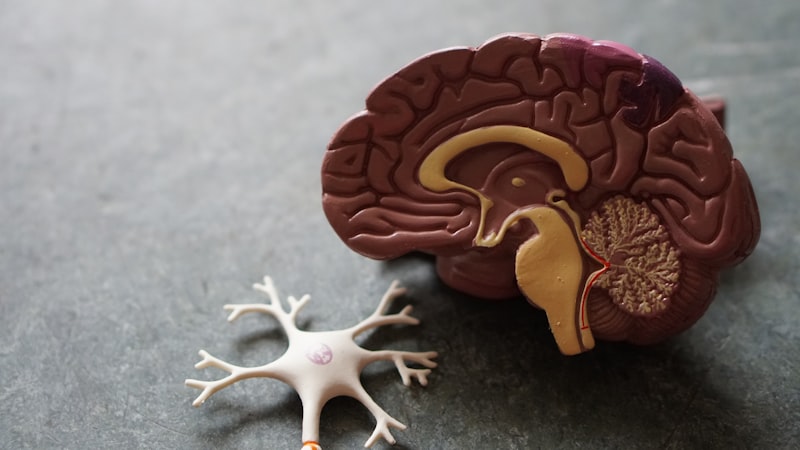
The pancreas is the quietest hard-working organ you own. It sits behind the stomach, produces roughly a litre and a half of enzyme-rich fluid every day, and releases the hormones that decide what your body does with the sugar in your bloodstream. When it works, you never notice it. When it falters, you notice everything — bloating after meals, undigested fat, erratic energy, slow recovery from food.
What most people never hear is that the pancreas does not work alone. It is wired into the gut by nerves, hormones, bile, and the trillions of microbes that live a few centimetres downstream. Researchers call this two-way conversation the gut-pancreas axis, and it is shaping how we think about stubborn digestive complaints and metabolic drift alike.
What Is the Gut-Pancreas Axis?
The gut-pancreas axis describes the ongoing signalling loop between your intestinal environment and your pancreas. The signals travel in both directions:
- Gut to pancreas — nutrients, bile, microbial metabolites, and vagus nerve signals tell the pancreas when to release enzymes and insulin
- Pancreas to gut — digestive enzymes and bicarbonate alter the chemistry of the small intestine, which in turn shapes which microbes can thrive there
It is not a theoretical curiosity. Researchers have documented that germ-free animals — raised with no gut microbes at all — show measurably altered pancreatic enzyme output and metabolic signalling. Restore a normal microbiome, and much of that function normalises. That is about as direct as evidence gets for a conversation between the two organs.
The Pancreas Has Two Jobs — and the Gut Touches Both
Job one: digestion (the exocrine pancreas)
Your pancreas produces lipase to break down fat, protease to break down protein, and amylase to break down starch. It also makes bicarbonate, an alkaline fluid that neutralises stomach acid as food enters the small intestine. Without enough of either, food arrives in the intestines only partially prepared — which is exactly the situation the gut microbes downstream are not equipped to handle.
For a deeper look at that side of digestion, see our guide to digestive enzymes and natural digestion →
Job two: blood sugar (the endocrine pancreas)
The same organ houses the islets of Langerhans, which release insulin and glucagon. Insulin decides whether glucose in your blood is stored or left circulating. And here the microbiome matters more than most people assume: the short-chain fatty acids your gut bacteria produce from fibre — especially butyrate and propionate — influence insulin sensitivity, glucose uptake, and how much the liver releases between meals.
How the Microbiome Influences Pancreatic Function
Several pathways are coming into focus in the research:
- Short-chain fatty acids — fermented from fibre in the colon, they reach the pancreas via the bloodstream and influence both enzyme secretion and insulin sensitivity
- Bile acid recycling — gut bacteria transform bile acids into forms that act as metabolic messengers; bile is also essential for activating pancreatic lipase
- Low-grade inflammation — a leaky or inflamed intestinal barrier releases signals that increase oxidative stress, and the pancreas is unusually sensitive to it
- Vagal signalling — the vagus nerve carries gut sensations upward and pancreatic instructions downward; poor vagal tone may blunt normal "get ready to digest" responses
- Nutrient supply — the microbiome manufactures vitamin K2, B vitamins, and other cofactors your metabolic machinery depends on
Read more about bile acids and the microbiome →
Exocrine Pancreatic Insufficiency and the Gut
When the pancreas cannot produce enough digestive enzymes, the result is called exocrine pancreatic insufficiency (EPI). The classic signs are easy to miss or misattribute: greasy, pale, floating stools, a heavy sense of fullness after fatty meals, gradual weight loss, and fatigue.
Two things are worth knowing here. First, EPI is a medical diagnosis that requires testing — it is not something to self-diagnose from bloating. Second, even genuine EPI has a gut dimension: reduced bicarbonate means more acid reaches the small intestine, bacterial populations shift, and the ability to maintain a diverse microbiome degrades. Digestion and the microbiome are not two separate systems; each one feeds the other.
"Flatulence, greasy stools, and bloating are what you see. What is happening upstream — the smell, the consistency, and the particular gas — tells the more precise story about which food is being left unfinished."
Blood Sugar: Where the Gut-Pancreas Axis Becomes Visible
Blood sugar is the most measurable output of this axis. When the microbiome is diverse and well-fed with fermentable fibre, short-chain fatty acid production rises, which tends to improve insulin sensitivity and steady glucose curves. When the opposite is true — low fibre, low diversity, high ultra-processed food — glucose swings tend to widen.
That is one reason two people can eat an identical meal and see noticeably different glucose responses. The food is the input; the gut environment is the interpreter.
For the full picture on that relationship, read how gut health shapes blood sugar regulation →
The Timing Problem: Acid, Bile, and Enzyme Arrival
Digestion is a relay race, and timing matters as much as quantity. Stomach acid begins protein breakdown, bile emulsifies fat, pancreatic enzymes finish the job, and the small intestine absorbs what is ready. If any runner starts early or late, the whole chain suffers — which is why reflux, sluggish gallbladder function, and pancreatic enzyme output are so often discussed together rather than in isolation.
What Actually Helps — and What Is Overstated
Below is an honest split between the levers with reasonable support and the ones that get more hype than evidence.
Worth doing
- Eat a wide range of plant fibres — diversity of plants, not sheer volume, is the strongest predictor of microbiome diversity, and diversity is what fuels short-chain fatty acid production
- Keep meals on a regular rhythm — the pancreas anticipates; erratic eating patterns work against that anticipation
- Chew thoroughly and eat without rushing — mechanical breakdown reduces the load that enzymes must carry alone
- Go easy on alcohol — it is the single most common non-gallstone driver of pancreatic irritation in adults who drink
- Walk after meals — a short walk noticeably blunts post-meal glucose excursions in most people
- Support bile flow — bitter greens, adequate hydration, and not starving yourself of fat altogether
Overstated
- "Cleanse" products — the pancreas and liver do not need a purge; they need raw materials and rest
- Enzyme supplements as a general tonic — genuinely useful in diagnosed insufficiency, largely unnecessary otherwise
- Extreme low-fat diets — if fat intake is near zero, the gallbladder does not empty properly, and bile can become stagnant
When to Stop Experimenting and Get Tested
GutWise has always favoured self-responsibility, but self-responsibility includes knowing the limits of self-treatment. See a clinician if you experience persistent greasy or pale stools, unexplained weight loss, severe or radiating abdominal pain, or new-onset bloating that does not respond to dietary change. Those are signals to test, not to tinker with.
💡 A grounded view. The gut-pancreas axis is a young field. The strongest, most boring conclusions are also the most reliable: fibre diversity, meal rhythm, moderate alcohol, movement after eating, and sleep. None of them are dramatic. All of them touch both the gut and the pancreas at once.
The Bigger Picture
The pancreas sits at the junction of digestion and metabolism — the exact point where what you eat becomes what your body runs on. It is unsurprising that its health depends on the intestines upstream and the microbes living there. Support the gut and you are quietly supporting the organ that decides where your energy goes.
This is the same principle that runs through the rest of the GutWise library: no organ works in isolation, and the lever you can actually pull most days is the one on your plate.
🌿 Support the whole chain, not just one link. Bitter is a taste most modern diets have forgotten — and bitter is exactly the flavour that stimulates digestion and helps bile and pancreatic enzymes flow in the right order. Many people find that a simple daily ritual makes this easier to keep up: a warming herbal tea such as Cardio Slim Tea or All Day Slimming Tea, taken before or after meals, fits naturally into a gut-friendly routine. Explore natural gut health solutions →