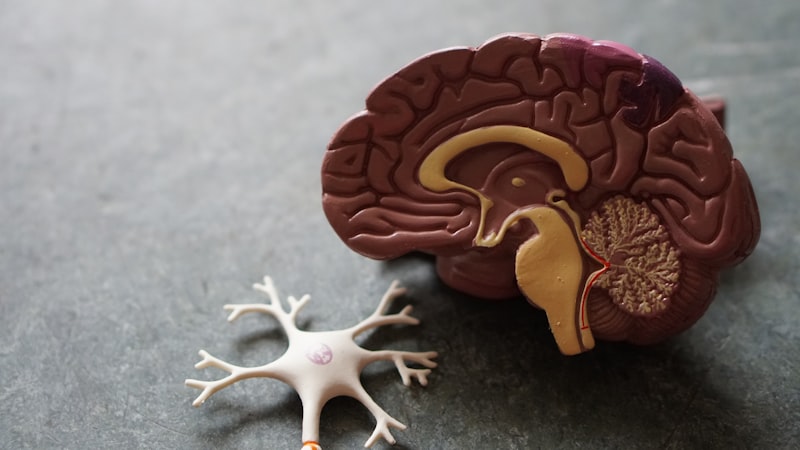
We have grown used to the idea that the gut talks to the brain, the skin, the heart, and even the bones. Now researchers are looking at a connection that sounds surprising at first: the gut-ear axis — the idea that the state of your intestinal microbiome may influence hearing, balance, and that persistent ringing known as tinnitus.
The ear is not a sealed, isolated chamber. It sits at the end of a chain of blood vessels, nerves, and immune signals that begin in the digestive tract. When that chain is inflamed, undernourished, or out of balance, the consequences can show up in places people rarely think to connect to digestion — including the ears.
What Is the Gut-Ear Axis?
The gut-ear axis describes the influence of gut bacteria and intestinal health on the auditory and vestibular systems. It is a young field, and honesty matters here: nobody is claiming that a probiotic cures hearing loss. What the research does suggest is a set of plausible pathways through which gut health could nudge the odds.
- Systemic inflammation — a permeable or imbalanced gut can raise circulating inflammatory signals that reach delicate inner-ear structures
- Nutrient absorption — the inner ear depends on a steady supply of B12, folate, magnesium, and zinc, all of which are absorbed through the gut
- Vascular tone — the tiny arteries feeding the cochlea are exquisitely sensitive to blood flow, which gut-derived metabolites can influence
- Immune tolerance — a gut that trains the immune system well may be less likely to mount misdirected inflammatory attacks
The Inflammation Pathway
The inner ear has almost no tolerance for inflammation. Its hair cells — the sensory cells that convert sound waves into nerve signals — do not regenerate in humans. That means anything that raises the inflammatory baseline in the body deserves attention when it comes to hearing.
Chronic low-grade inflammation is one of the most consistent findings in people with an imbalanced microbiome. When the intestinal barrier is stressed, bacterial fragments and metabolic byproducts can enter circulation, prompting an immune response that does not stay confined to the gut. This is the same mechanism discussed in our guide to intestinal permeability →, and it is one reason gut health keeps surfacing in research on seemingly unrelated organs.
"The ear may be one of the least obvious places gut health shows up — and one of the most dependent on the nutrients and calm the gut is supposed to provide."
Nutrients the Inner Ear Cannot Do Without
Several nutrients with direct relevance to auditory nerve function are absorbed through the digestive tract. If absorption is compromised, the ear can be affected long before other tissues show obvious signs.
Vitamin B12 and Folate
Deficiencies in B12 and folate have been associated with tinnitus and sensorineural hearing disturbance in multiple studies. Both depend on healthy stomach acid and a functional small intestine to be absorbed properly — the same environment affected by low stomach acid, gut inflammation, or bacterial overgrowth.
Magnesium and Zinc
Magnesium supports blood flow and nerve signalling; zinc is concentrated in the inner ear and plays a role in antioxidant defence. Both are minerals many people under-absorb without realizing it. Our breakdown of zinc and gut health → covers how absorption actually happens.
Nerve Health and the B-Vitamin Factory
Certain gut bacteria synthesize B vitamins themselves, which makes the microbiome a modest internal source of nutrients many people think of as purely dietary. For more on that, see how your microbiome makes B vitamins →.
The Oral Microbiome, the Eustachian Tube, and Ear Infections
Anatomy matters too. The Eustachian tube connects the middle ear to the back of the throat — an area populated by the same microbial communities that live in your mouth and sinuses. Research on children with recurrent ear infections has found measurable differences in their upper-respiratory and oral microbiomes compared with children who rarely get them.
That does not mean swallowing a capsule treats an ear infection. It does suggest that the ecosystem upstream of the ear shapes what reaches it. Our piece on the mouth-gut connection → explores this shared territory.
Stress, Sleep, and That Ringing in Your Ears
Many people with tinnitus describe their symptoms worsening during stressful or poorly slept periods. That experience lines up neatly with the gut-brain axis. Stress changes the composition of the microbiome, increases intestinal permeability, and elevates cortisol — all of which feed back into inflammation.
The relationship runs in both directions: poor sleep worsens gut health, and poor gut health fragments sleep. If ringing in the ears spikes alongside digestive trouble, the two may be part of the same conversation rather than separate complaints. Our article on the sleep-gut circadian connection → goes deeper.
What the Research Honestly Shows
It is important not to overstate what exists. The gut-ear axis is supported by mechanistic reasoning, animal models, and observational human data — not by large randomised trials showing that fixing your gut resolves tinnitus.
- Studies have documented microbiome differences in people with certain ear conditions
- Inflammatory markers linked to gut permeability correlate with some auditory symptoms
- Nutritional deficiencies that begin as absorption problems can affect nerve function
- There is not yet strong evidence that probiotics reverse hearing loss
What we can say with confidence is that the habits that support a healthy gut are the same habits that support a well-nourished, low-inflammation body — and the ear benefits from that environment whether or not it is the primary target.
Practical Habits That Support Both Gut and Ear
- Eat a wide variety of plants — microbiome diversity tracks dietary diversity more than any single food
- Fermented foods regularly — kefir, yogurt, sauerkraut, and kimchi support bacterial balance
- Don't fear healthy fats — the auditory nerve is a nerve, and nerves need fat-soluble nutrients
- Check B12, folate, and vitamin D — absorption problems hide behind normal-looking diets
- Protect your sleep window — circadian rhythm shapes both digestion and inflammation
- Manage noise exposure and stress together — both are known tinnitus drivers
- Stay hydrated — blood viscosity affects the tiny vessels feeding the cochlea
💡 A grounded view. If you have sudden hearing loss, one-sided tinnitus, dizziness, or ear pain, see a clinician promptly — those are not gut problems and should never be treated as such. The gut-ear axis is a supporting story about prevention and whole-body resilience, not a replacement for proper care.
The Bigger Picture
The gut-ear axis is another reminder that the body does not respect the boundaries we draw on an anatomy chart. The ear depends on the bloodstream, the immune system, and the nutrient supply — all of which are shaped, day by day, by what happens in the gut.
That is not a reason to chase quick fixes. It is a reason to think in seasons and years. Rebuilding a diverse microbiome takes consistency: fibre most days, fermented foods often, real food over packaged food, sleep protected, stress managed. None of it is dramatic. All of it compounds.
🌿 Support the axis you can actually influence. The gut is the one link in the chain you control every single day. Many people find that simple daily rituals — a warm herbal tea in the morning, a consistent meal rhythm, a short walk after eating — make the whole system easier to keep on track. If you want a gentle starting point, a cup of Cardio Slim Tea or All Day Slimming Tea fits naturally into a gut-friendly routine. Explore natural gut health solutions →