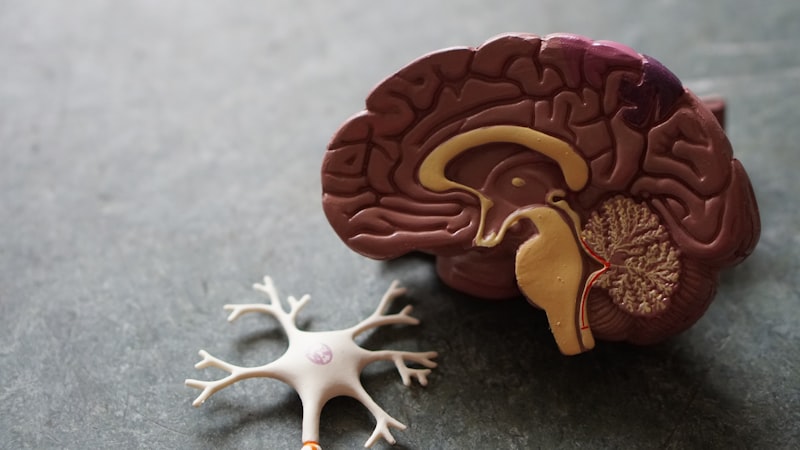
Have you ever felt "butterflies" in your stomach before a big presentation? Or lost your appetite when anxious? That's not a coincidence — it's your gut-brain axis in action.
The gut-brain axis is a sophisticated, bidirectional communication network linking your digestive system to your central nervous system. And at the heart of this connection lies a surprising fact: most of your brain's mood-regulating chemicals are actually made in your gut.
What Is the Gut-Brain Axis?
The gut-brain axis involves multiple pathways:
- The vagus nerve — a direct neural highway connecting the gut and brain, sending signals in both directions
- Neurotransmitter production — gut bacteria produce or influence serotonin, dopamine, and GABA
- Immune signaling — gut inflammation sends inflammatory cytokines to the brain
- Microbial metabolites — short-chain fatty acids from fiber fermentation affect brain function
How Serotonin Works
Serotonin is often called the "happiness molecule," but it does much more. It regulates:
- Mood and emotional balance
- Sleep quality and circadian rhythms
- Appetite and digestion
- Memory and learning
- Social behavior
When your gut microbiome is healthy and diverse, serotonin production thrives. When it's compromised by poor diet, stress, or antibiotics, serotonin levels drop — and so does your mood.
The Connection to Inflammation
An unhealthy gut can develop increased intestinal permeability — often called "leaky gut." When this happens, toxins and undigested food particles enter the bloodstream, triggering systemic inflammation. This inflammation directly affects the brain, contributing to:
- Brain fog and cognitive decline
- Depression and anxiety
- Neurodegenerative risk
10,000 Years of Wisdom
Ancient healing traditions have long understood what modern science is now confirming: the gut is the root of health. The pineal gland — often called the "third eye" — is deeply connected to gut health. A clean, balanced gut supports proper pineal function, regulating melatonin production and opening the door to Empfindung, the 7th sense of perception beyond the material. Read more about the pineal-gut connection →
How to Support Your Gut-Brain Axis
- Eat fermented foods — sauerkraut, kimchi, kefir, and yogurt feed beneficial bacteria
- Increase fiber intake — vegetables, legumes, and whole grains produce gut-healing short-chain fatty acids
- Reduce sugar and artificial sweeteners — these feed pathogenic bacteria
- Manage stress — chronic stress disrupts the microbiome via cortisol pathways
- Consider natural gut support — herbal blends can gently restore balance without harsh side effects
🧠 Heal your gut, calm your mind. Many people have found relief from mood imbalances by supporting their digestion with natural herbal teas like Cardio Slim Tea — a gentle blend of green tea, ginger, hibiscus, and other botanicals that support healthy digestion and natural energy. Discover natural gut health solutions →