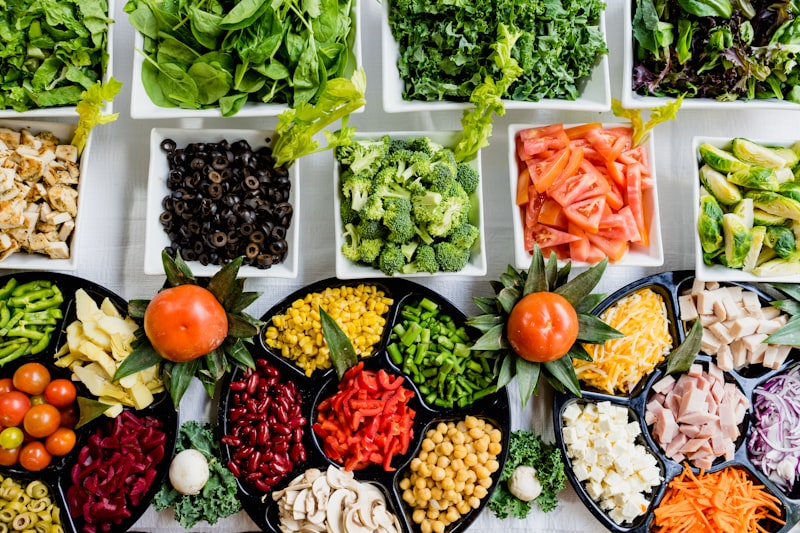
When we hear "eat more fiber," most of us picture bran flakes, bland crackers, and the vague sense that we should be doing something for our digestion. But the reality is far more interesting — and far more specific.
Not all fiber is the same. Different types of fiber feed different species of gut bacteria, trigger different metabolic responses, and support different aspects of health. Think of fiber not as a single nutrient but as a diverse menu for the trillions of microorganisms living in your digestive tract. What you feed them determines which species thrive — and that, in turn, shapes your digestion, immunity, mood, and metabolic health.
Let's explore the different types of dietary fiber, which gut bacteria they feed, and how to build a fiber-rich diet that cultivates a truly diverse and resilient microbiome.
What Makes Fiber a Prebiotic?
Fiber is technically any plant-derived carbohydrate that your body cannot digest on its own. Humans lack the enzymes to break the bonds in these complex molecules, so they travel through the stomach and small intestine largely intact. When they reach the colon, your gut bacteria do what you cannot — they ferment these fibers, breaking them down into compounds that fuel both them and you.
This is where the term prebiotic comes in. A prebiotic is any compound that selectively stimulates the growth or activity of beneficial microorganisms. Not all fibers are prebiotics — but many of the most important ones are. The key distinction is that prebiotic fibers are fermented by specific beneficial bacteria rather than by the general microbial community.
The Major Types of Fiber and Which Bacteria They Feed
Dietary fiber is broadly divided into two categories: soluble and insoluble. But within these categories, dozens of distinct fibers exist, each with unique effects on the microbiome. Here are the most important ones for gut health:
1. Inulin and Fructooligosaccharides (FOS)
Found in: Chicory root, Jerusalem artichokes, garlic, onion, leeks, asparagus, bananas (especially slightly green ones)
Feeds: Bifidobacterium and Lactobacillus — two of the most well-studied beneficial genera. Inulin is one of the most powerful prebiotics known, consistently shown to boost Bifidobacterium levels in clinical trials.
Read more: Inulin's cousin, FOS (fructooligosaccharides), is a shorter-chain molecule that ferments more rapidly in the proximal colon. Together, they are the most widely used prebiotic supplements for a reason — Bifidobacterium is strongly associated with reduced inflammation, improved barrier function, and better metabolic health.
"Of all the dietary fibers studied, inulin-type fructans consistently produce the most robust increase in Bifidobacterium. This effect is so reliable that it's used as a positive control in prebiotic research." — Dr. Kevin Whelan, Professor of Dietetics, King's College London
2. Galactooligosaccharides (GOS)
Found in: Legumes (chickpeas, lentils, beans), certain root vegetables, and human breast milk (yes — nature designed prebiotics for infant guts)
Feeds: Bifidobacterium and Lactobacillus, similar to inulin, but GOS also stimulates Faecalibacterium prausnitzii — one of the most important butyrate-producing bacteria in the human gut. Low levels of F. prausnitzii have been consistently linked to inflammatory bowel disease and other chronic conditions.
Key fact: GOS is the primary prebiotic in breast milk, supporting the colonization of beneficial bacteria in infant guts. It's also remarkably well-tolerated, producing less gas than inulin for many people.
3. Resistant Starch
Found in: Cooked and cooled potatoes (the cooling process increases resistant starch), green bananas, plantains, cooked and cooled rice, oats, legumes, and raw potato starch (as a supplement)
Feeds: Ruminococcus bromii, Eubacterium rectale, and Faecalibacterium prausnitzii. Resistant starch is particularly interesting because R. bromii acts as a "keystone species" — it breaks down resistant starch in a way that makes the byproducts available to other bacteria, amplifying the fermentation effect throughout the microbial community.
Why it matters: Resistant starch produces high levels of butyrate, the short-chain fatty acid that serves as the primary fuel for colon cells and plays a critical role in maintaining the gut barrier. As we explored in our article on leaky gut and intestinal permeability, butyrate is essential for keeping the gut lining intact and preventing unwanted substances from entering the bloodstream.
4. Beta-Glucan
Found in: Oats, barley, mushrooms (especially reishi and shiitake), yeast, and certain seaweeds
Feeds: Bacteroides and Prevotella species, with particularly strong effects on butyrate production. Beta-glucan also stimulates the immune system directly — it binds to receptors on immune cells in the gut, modulating inflammation in ways that extend beyond the microbiome.
Practical tip: A bowl of steel-cut oats is one of the simplest and most effective ways to get beta-glucan. Unlike instant oats, steel-cut oats retain more of their structure, which slows digestion and delivers resistant starch alongside beta-glucan for a dual fiber benefit.
5. Pectin
Found in: Apples, citrus peels, carrots, berries, plums, and stone fruits
Feeds: Bacteroides, Lachnospira, and various butyrate-producing species. Pectin is highly fermentable and produces a balanced mix of short-chain fatty acids — acetate, propionate, and butyrate.
Interesting note: Pectin is the reason apples have been associated with digestive health for centuries. The old saying "an apple a day keeps the doctor away" has a microbiological basis — apple pectin is one of the best-studied prebiotic fibers for supporting a diverse gut community.
6. Arabinoxylan and Hemicellulose
Found in: Whole grains (wheat, rye, barley), bran, psyllium husk
Feeds: Bacteroides, Prevotella, and Roseburia — another key butyrate producer. Arabinoxylan is the primary fiber in wheat bran and is particularly effective at increasing stool bulk and speeding transit time.
Why it's different: Psyllium husk (a type of arabinoxylan) is unique in that it's only partially fermented — it stays largely intact through the colon, absorbing water and creating bulk. This makes it excellent for both constipation and diarrhea, as it normalizes stool consistency regardless of which direction you're struggling with.
7. Cellulose and Lignin
Found in: Leafy greens, celery, broccoli stems, nuts, seeds, and the outer layers of whole grains
Feeds: Very few bacteria can ferment cellulose and lignin — these are the "insoluble" fibers that provide structure to plants. Instead, they act primarily as bulking agents, adding physical bulk to stool and stimulating peristalsis.
Don't dismiss them: While insoluble fibers don't feed bacteria directly, they play a crucial mechanical role. They sweep the colon clean, carry toxins and estrogens out of the body, and ensure that fermentation products from other fibers are moved through efficiently rather than stagnating.
The key insight: A healthy gut needs all of these fibers, but if you had to choose, prioritize soluble, fermentable fibers (inulin, GOS, resistant starch, beta-glucan, pectin) for direct prebiotic effects, while including insoluble fibers for mechanical cleansing. Variety is the name of the game.
Why Fiber Diversity Matters
Research over the past decade has shifted from measuring "total fiber intake" to examining fiber diversity. A landmark 2018 study published in Cell Host & Microbe compared a low-fiber diet, a single-fiber diet (inulin only), and a mixed-fiber diet. The results were striking: the mixed-fiber group showed the greatest increase in microbiome diversity, while the single-fiber group saw only specific bacterial groups expand at the expense of others.
In other words, feeding only one type of fiber is like providing a buffet where only one dish is available — the bacteria that love that dish will crowd out everyone else. A diverse fiber intake ensures that different bacterial species get what they need, promoting a balanced, resilient ecosystem.
"Microbiome diversity is the single most consistent biomarker of gut health across human studies. And the most reliable way to increase diversity is through a diverse intake of dietary fibers — not through probiotic supplements." — Dr. Emeran Mayer, author of The Mind-Gut Connection
The Short-Chain Fatty Acid Connection
When gut bacteria ferment fiber, they produce short-chain fatty acids (SCFAs) — primarily acetate, propionate, and butyrate. These molecules are the primary mechanism through which fiber improves health:
- Butyrate is the preferred fuel for colon cells (colonocytes). It strengthens the gut barrier, reduces inflammation, regulates gene expression, and even induces apoptosis (programmed cell death) in damaged cells — a natural cancer-protective mechanism.
- Propionate travels to the liver, where it influences glucose production and cholesterol metabolism. Higher propionate levels are associated with lower blood sugar and reduced body fat.
- Acetate enters the bloodstream and reaches the brain, where it influences appetite regulation through the hypothalamus.
Without enough fiber, your gut bacteria turn to less desirable food sources — namely, the mucus layer that protects your intestinal lining. This phenomenon, called "eating the gut barrier from within," has been observed in mouse models on fiber-deficient diets. As we covered in our article on intermittent fasting and gut repair, giving your gut a break from constant eating is important, but what you eat during feeding windows matters enormously — and fiber is the foundation.
How to Build a Fiber-Diverse Diet
Here's a practical framework for getting a wide range of fibers throughout the week. The goal is not to track grams obsessively but to eat from each category regularly:
Daily Foundation
- Leafy greens or cruciferous vegetables (cellulose, lignin) — at least one serving per day
- Allium vegetables (garlic, onion, leeks) for inulin — use them as a cooking base
- Oats or barley (beta-glucan) — a warm breakfast bowl
- Legumes (GOS, resistant starch) — lentils, chickpeas, or beans in one meal
Weekly Rotations
- Cooked and cooled starches: Potato salad, sushi rice, leftover oatmeal — the cooling process increases resistant starch content
- Fruit with pectin: Apples, citrus, berries, plums
- Nuts and seeds: Almonds, walnuts, chia, flax — for cellulose, lignin, and healthy fats
- Mushrooms: For beta-glucan diversity and immune support
- Chicory or dandelion root coffee: A concentrated inulin source if tolerated
Tips for Transitioning
If you currently eat a low-fiber diet, increase fiber gradually over several weeks. A sudden jump from 15 g to 40 g of fiber per day can cause significant bloating, gas, and discomfort as your microbiome adjusts. Start by adding one serving of a new fiber source every few days, and drink plenty of water — fiber needs water to work properly, as we discussed in our article on hydration and digestive health.
Some people also find certain fibers more gas-producing than others. Inulin and GOS (found in legumes and allium vegetables) tend to ferment rapidly and can cause flatulence in sensitive individuals. Resistant starch and beta-glucan are generally gentler. Listen to your body and adjust accordingly — the best fiber diversity plan is one you can sustain.
Fiber and the GutWise Philosophy
There's a deeper principle at work here that aligns with the GutWise approach to health: the body knows what to do when given the right raw materials. You don't need to micromanage your microbiome or buy expensive supplements to cultivate a healthy gut. What you need is the whole-food diversity that humans evolved with — roots, tubers, grains, legumes, fruits, leaves, and seeds.
Modern food processing has stripped most of this diversity from our diets. Refined grains, sugar, and ultra-processed foods feed a narrow subset of bacteria — often the less beneficial ones — while starving the rest. Reintroducing fiber diversity is an act of restoration: giving your gut the fuel it was designed to use.
🌿 Feed your microbiome the way nature intended. A diverse fiber intake is the single most powerful tool you have for cultivating a healthy, resilient gut. When your gut bacteria are well-fed, they protect your digestion, strengthen your immunity, and support your vitality from within. For an extra layer of support as you rebuild your gut health, explore GutWise's natural solutions — designed to work in harmony with your body's innate wisdom.
The Bottom Line
Dietary fiber is not a single nutrient — it's a diverse family of compounds, each with unique effects on your gut microbiome. Inulin and GOS feed Bifidobacterium, resistant starch boosts butyrate-producing species, beta-glucan supports Bacteroides, and insoluble fibers keep everything moving smoothly.
The key to a healthy microbiome is not just "more fiber" but more kinds of fiber. Aim for at least 20 different plant foods per week, include both soluble and insoluble sources, and increase your intake gradually to let your microbiome adapt.
Your gut bacteria are waiting to be fed. Give them the diverse menu they evolved with, and they'll reward you with better digestion, stronger immunity, clearer thinking, and deeper vitality.
Read more: Fermented foods and how they boost your microbiome →
For informational purposes only. This content is not medical advice. Consult a healthcare professional before making significant changes to your diet, especially if you have a digestive condition, take medications, or are considering high-dose fiber supplementation.